
Introduction to Woodworking Concepts
Woodworking can often seem like a foreign language to those unfamiliar with its terminology. For homeowners in Santa Rosa, CA, who are considering custom woodworking projects or renovations, understanding these terms can be crucial. At Waypoint Woodwork, we believe in empowering our clients with knowledge, so we've broken down complex woodworking jargon into simple, understandable terms.
Basic Woodworking Terms Simplified
1. Joinery
Joinery refers to the methods used to connect two pieces of wood together. It's an essential part of any woodworking project, from building furniture to crafting cabinetry. Common types of joinery include dovetail, mortise and tenon, and butt joints. Each type offers different aesthetic and functional benefits.
2. Grain
The grain of wood describes the direction, size, appearance, and texture of the fibers in the wood. Wood grain can affect both the appearance and the structural integrity of the finished product. For instance, matching the grain can enhance the beauty of a piece, while the grain direction influences how the wood should be cut and shaped.
3. Milling
Milling is the process of cutting, shaping, and preparing wood for use in a project. This includes planing the wood to ensure it's the correct thickness and smoothing it to remove any rough edges. Milling is a crucial step before the actual construction begins, ensuring precision and quality in the final product.
Understanding Wood Types and Their Uses
When selecting materials for your project, understanding different types of wood and their properties is key. Here are some common wood types used in woodworking:
Hardwoods
Hardwoods like oak, maple, and cherry are often used in high-quality furniture and cabinetry. They are durable and have a fine grain, making them ideal for projects that require strength and a polished look. However, they can be more expensive than softwoods.
Softwoods
Softwoods such as pine, cedar, and redwood are typically used for building frames and structures. They are generally easier to work with and less expensive, but they may not be as durable as hardwoods.
Tools of the Trade: A Simple Overview
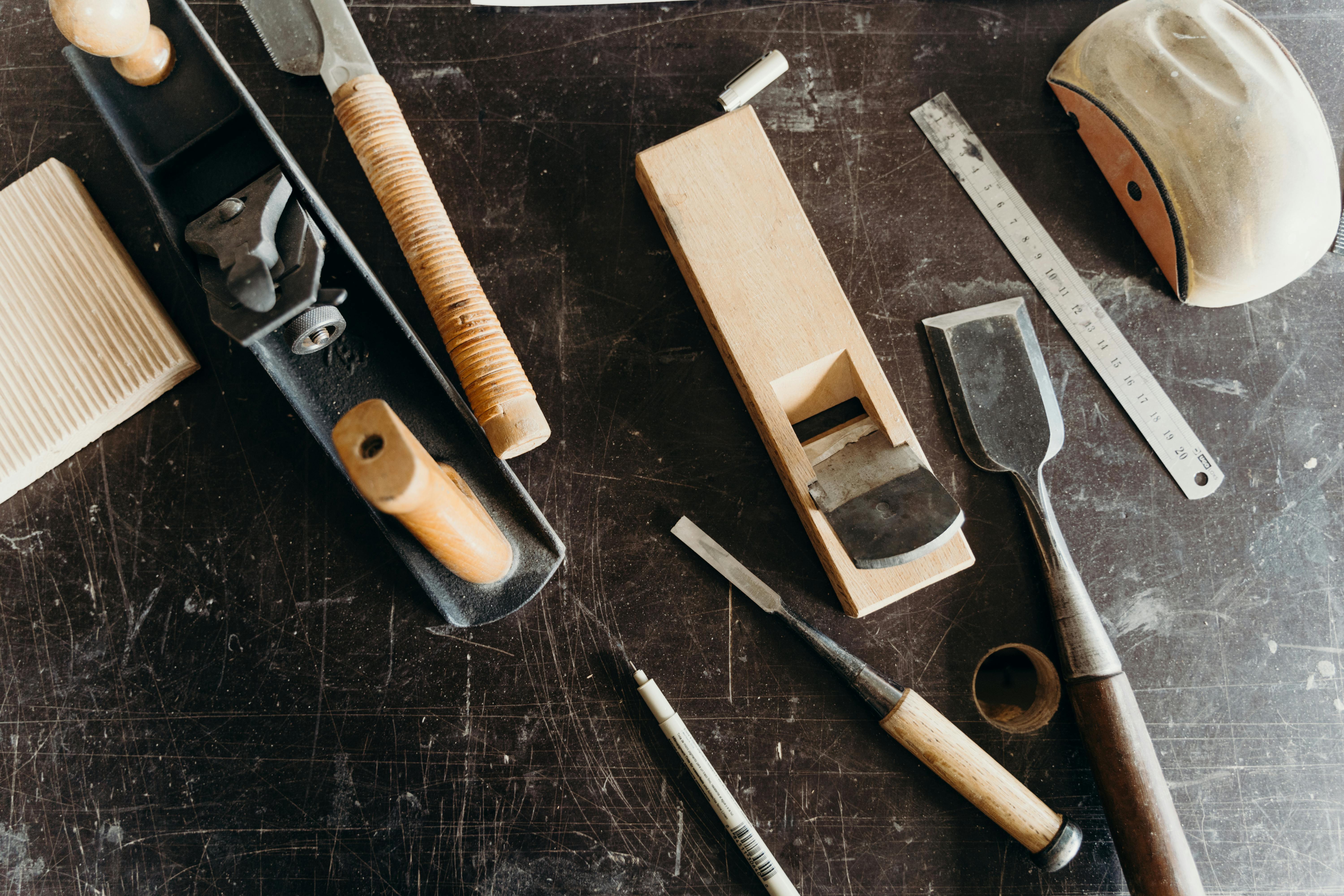
Understanding the tools used in woodworking is another step toward demystifying the process. Here are a few foundational tools:
Saws
Saws are used to cut wood into various shapes and sizes. Types of saws include the circular saw, jigsaw, and miter saw, each serving a different purpose. For instance, a miter saw is perfect for making precise crosscuts and angles, which is essential in creating frames.
Chisels
Chisels are used to carve or cut away wood, often to create joints or decorative patterns. They come in various shapes and sizes, allowing for detailed work and precision.
How Waypoint Woodwork Can Help
At Waypoint Woodwork, we pride ourselves on delivering exceptional craftsmanship to Santa Rosa residents. Our team is here to assist you from conceptualization to completion, ensuring that every aspect of your project is understood and meets your expectations. Whether you're looking to refresh your kitchen with custom cabinetry or create a unique piece of furniture, our expertise can bring your vision to life.
Conclusion
Understanding the basics of woodworking can significantly enhance your experience as a homeowner embarking on a custom project. With this guide, you can confidently discuss your ideas with our team at Waypoint Woodwork, knowing that you have a solid grasp of the terms and concepts involved.
For more information or to schedule a consultation, contact us today. Let us help you transform your home with beautiful, custom woodworking solutions!